
BY : Anugrah Kumar, Christian Post Contributor
Experts and diplomats warned at the United Nations Human Rights Council that anti-Christian violence and legal pressure affecting religious freedom are increasing in Europe and require stronger protection of freedom of religion worldwide.
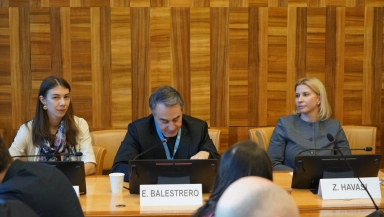
The warning emerged during a side event titled “Standing with Persecuted Christians, Defending the Faith and Christian Values” held in Geneva during the council’s 61st session, said the Observatory on Intolerance and Discrimination Against Christians in Europe in a statement sent to The Christian Post.
Anja Tang, executive director of the observatory, said the organization has also documented a growing number of cases involving legal pressure on Christians.
“Several European governments have targeted individuals through criminal procedures for peacefully expressing their religious beliefs,” Tang said.
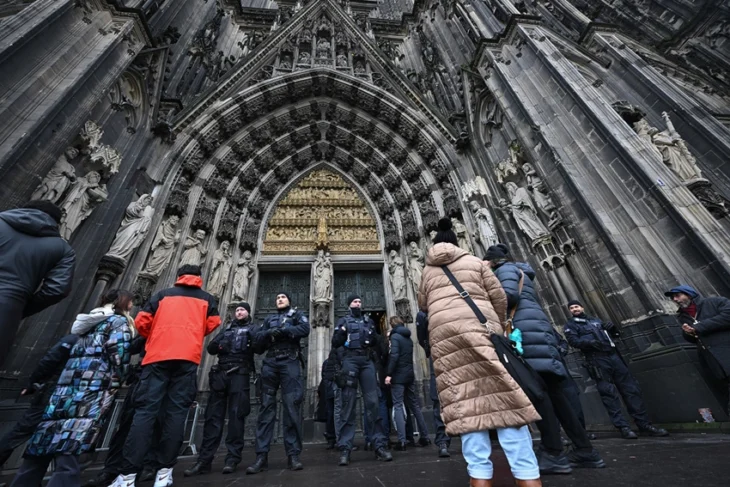
More than 760 anti-Christian hate crimes were recorded in Europe in 2024, according to official reporting cited at the event, as reported by Orthodox Times.
Archbishop Ettore Balestrero, the Holy See’s permanent observer to the United Nations and other international organizations in Geneva, told the gathering that the observatory documented 2,211 violent incidents affecting Christians across the continent during the same year.
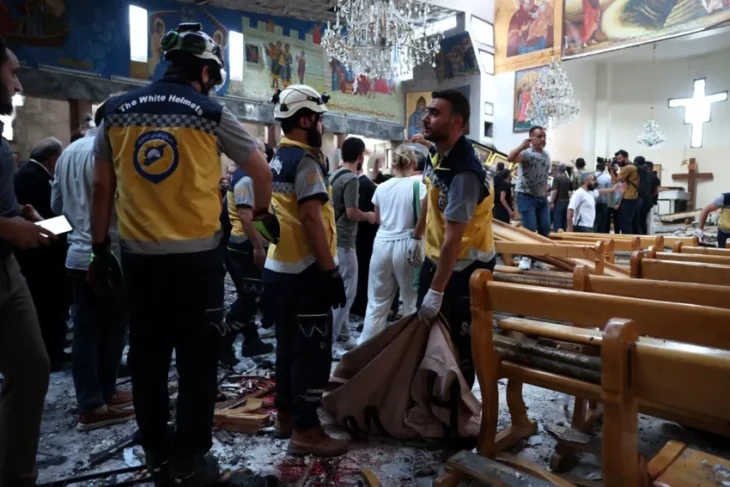
Some incidents involved direct violence, while others involved legal actions against individuals expressing religious beliefs.
Tang referred to the 2024 killing of Assyrian Christian Aushur Sarnaya in France during a livestream of his religious testimony, which authorities confirmed as a jihadist attack. She also cited legal proceedings against Finnish Member of Parliament Päivi Räsänen over a Bible citation in a public debate on social issues.
Speakers said some restrictions arise from laws affecting religious expression in schools, legal disputes involving internal church governance, or public expressions of faith such as prayer or baptisms.
Tang also pointed to neutrality laws limiting religious references in schools and legal disputes that she said affect parental rights in education and the internal autonomy of religious communities.
Marie Thérèse Pictet Althann, ambassador of the Sovereign Order of Malta to the United Nations in Geneva, called the discussion a significant moment because the Human Rights Council had rarely focused directly on discrimination against Christians.
Márk Aurél Érszegi, special advisor for religion and diplomacy at Hungary’s Ministry of Foreign Affairs and Trade, said practical assistance programs can help communities facing persecution. He presented Hungary Helps, a Hungarian government program that cooperates with churches and religious leaders to support Christian communities affected by violence and displacement.
Érszegi said such initiatives cannot resolve persecution alone but can provide direct assistance and encouragement to communities living under pressure.
Nazila Ghanea, the United Nations Special Rapporteur on Freedom of Religion or Belief, told the event that violence against Christians often involves wider violations of fundamental rights and should be understood within the broader system of international human rights protections.
“Christians do not and should not stand alone,” Ghanea said, adding that the global human rights framework recognizes the interconnected nature of rights and places human dignity at the center of the United Nations system.
Archbishop Balestrero told participants that states carry the primary responsibility to protect religious freedom and ensure that individuals can profess and practice their faith publicly or privately without interference, Vatican News reported.
Balestrero said nearly 400 million Christians worldwide face persecution or violence and that about one in seven Christians is affected. He also said nearly 5,000 Christians were killed for their faith in 2025, an average of about 13 people each day.
The archbishop said governments must protect freedom of religion by preventing third parties from violating that right and by safeguarding believers before, during and after attacks.
Impunity, he said, remains one of the most serious challenges in addressing religious persecution globally.
Photo Courtesy :