


BY : Staff Writer Christian Today
Legal advocacy group ADF International is supporting a case filed with the East African Court of Justice in support of Christians whose churches have been destroyed in the Democratic Republic of the Congo (DRC).
Last year conflict in the DRC flared up with M23 rebels seizing the key city of Goma.
M23 is believed to be supported by neighbouring Rwanda. The DRC accuses Rwanda of wanting to annex its mineral reach eastern territories.
For their part, Rwanda has claimed that the DRC is harbouring people suspected of involvement in the 1994 Rwandan genocide.
Added into the mix are Islamic militant groups that have been able to commit atrocities while government forces and M23 are focused on each other.
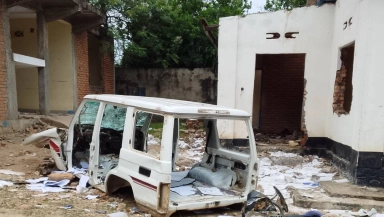
ADF have asked that the DRC recognise the damage done to Christian communities during an attack on the city of Uvira in January of this year. The group said that the attacks had not only killed people, but left survivors with no place to freely practise their faith.
The attack took place on 18 January and was part of a broader military operation by the DRC to retake Uvira from M23. The local people were, according to ADF, falsely accused of sympathising with M23, leading government forces to destroy homes and places of worship.
ADF have also said that the DRC should compensate those affected by the attacks and help them build new places of worship.
Sean Nelson, Senior Counsel for Global Religious Freedom at ADF International, said, “This is the often-overlooked aftermath of ethnic and religiously motivated violence.
“Beyond the immediate devastation, these attacks leave lasting scars on communities. In this case, these Christians from the Banyamulenge community in the DRC are now significantly hindered in their ability to worship, gather and live out their faith.”
Innocent Nteziryayo, legal counsel and representative of the churches impacted in the attack, said, “It is only right that the DRC acts swiftly to prevent further violence, takes responsibility and supports the reconstruction of destroyed churches and religious properties.
“Banyamulenge communities must be able to rebuild not only their homes, but also the churches and organizations that sustain their spiritual and communal life.”
Photo Courtesy :


